

What Happens When Blockchains Compete: The Race for Scalability
Discover how blockchain networks are competing to solve scalability through Layer 1, Layer 2, and interoperability innovations, shaping the future of crypto.
What Happens When Blockchains Compete: The Race for Scalability
As blockchain technology matures, a new phase of competition is unfolding, one that goes beyond price speculation and into the very foundation of how these networks operate. At the centre of this race is the critical challenge of scalability.
Scalability determines how many transactions a blockchain can process efficiently, affordably, and securely. As adoption grows, the ability to handle large volumes of users and transactions becomes essential. This has sparked intense competition among blockchain networks, each striving to become the fastest, most cost-effective, and most scalable solution.
What Is Blockchain Scalability and Why Does It Matter?
Scalability refers to a blockchain’s ability to handle increasing demand without slowing down or becoming expensive.
Early blockchains like Bitcoin and Ethereum prioritised decentralisation and security, often at the expense of speed and cost. As a result, users have experienced network congestion, high transaction fees, and slower processing times during peak periods.
In a world where millions of users may rely on blockchain for payments, finance, gaming, and more, scalability is no longer optional, it is essential.
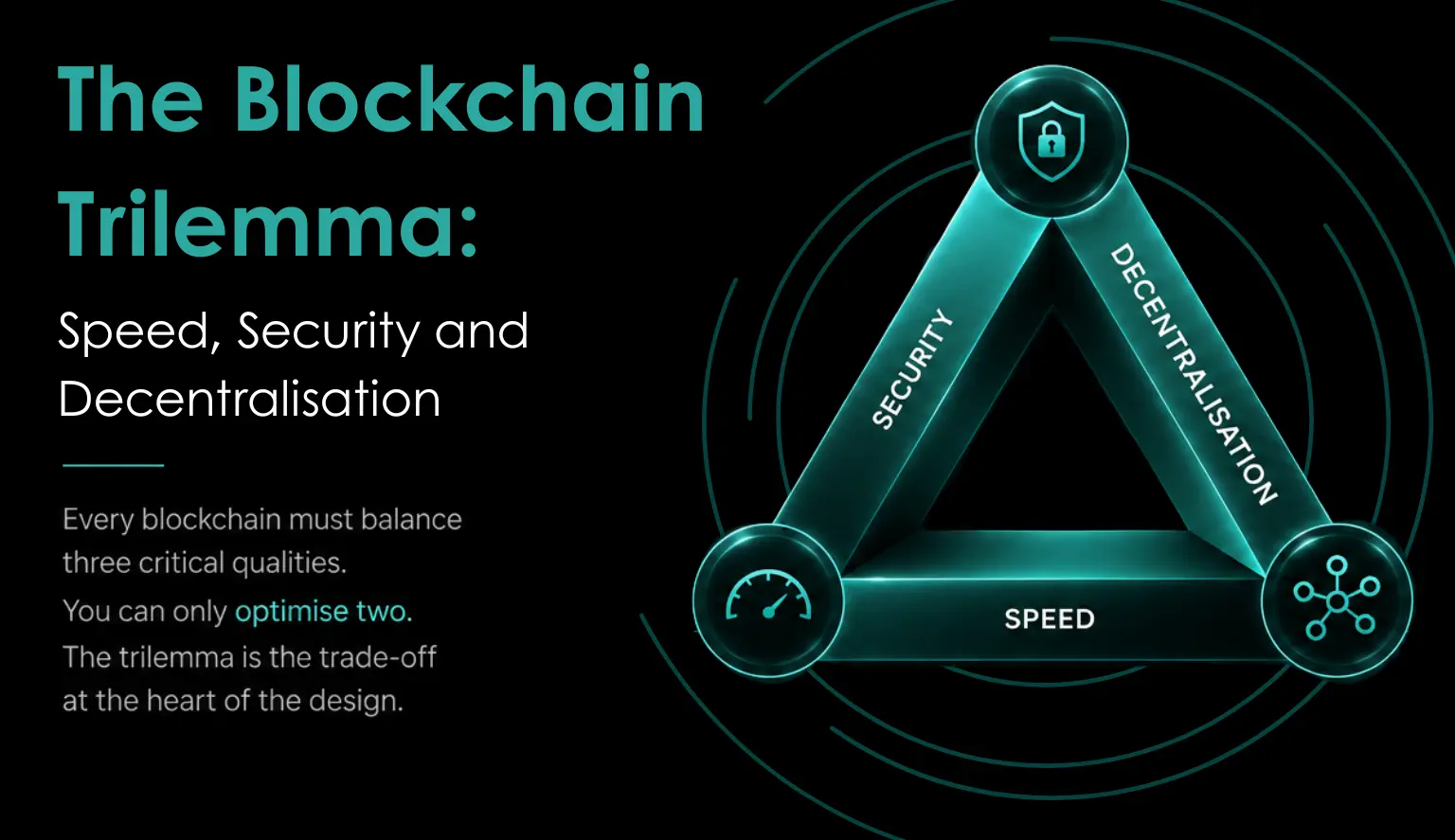
The Blockchain Trilemma: Speed, Security, and Decentralisation
At the heart of the scalability challenge lies the well-known blockchain trilemma: the idea that it is difficult to achieve scalability, security, and decentralisation all at once.
Increasing speed can compromise decentralisation
Enhancing security can reduce efficiency
Boosting scalability can introduce centralisation risks
Different blockchains approach this problem in different ways, and this is where competition intensifies. Each network is effectively making trade-offs to position itself as the best solution.
 How Blockchains Are Competing to Scale
Blockchain projects are exploring multiple strategies to improve scalability:
Layer 1 Improvements
Some blockchains are upgrading their core infrastructure to handle more transactions directly. This includes:
Faster consensus mechanisms
Increased block sizes
More efficient validation processes
These improvements aim to make the base layer itself more powerful.
Layer 2 Solutions
Another major approach is building Layer 2 networks on top of existing blockchains. These solutions process transactions off the main chain and then settle them in batches.
Benefits include:
Lower transaction fees
Faster processing times
Reduced network congestion
Layer 2 solutions are becoming a key part of scaling ecosystems like Ethereum.
Alternative Consensus Mechanisms
Traditional proof-of-work systems can be slow and energy-intensive. Newer models such as proof-of-stake and other variations aim to:
Increase transaction throughput
Reduce energy consumption
Improve overall efficiency
These innovations are helping blockchains scale without sacrificing too much security.
The Role of Competition in Innovation
Competition among blockchains is driving rapid innovation. Networks are constantly pushing boundaries to offer:
Faster speeds
Lower costs
Better user experiences
This competitive pressure benefits users and developers alike. As blockchains improve, they become more viable for real-world applications such as payments, decentralised finance (DeFi), gaming, and supply chain management.
However, competition also leads to fragmentation. With so many blockchains offering different strengths, liquidity and users can become spread across multiple ecosystems.
Interoperability: The Next Frontier
As blockchains compete, another important trend is emerging: interoperability.
Instead of one blockchain dominating the entire space, the future may involve multiple networks working together. Interoperability solutions aim to enable seamless communication and asset transfers between different blockchains.
This could reduce fragmentation and create a more connected ecosystem, where users can move assets freely without being locked into a single platform.
What This Means for Users and Investors
For users, the race for scalability means:
Faster and cheaper transactions
Improved user experiences
Greater access to blockchain-based services
For investors, it introduces both opportunities and risks. Projects that successfully scale while maintaining security and decentralisation are likely to gain significant adoption.
At the same time, not all solutions will succeed. The competitive landscape means that some blockchains may struggle to keep up or fail to attract long-term users.
The Future of Scalable Blockchains
The race for scalability is far from over. As technology evolves, new solutions and innovations will continue to emerge.
We may see:
Hybrid approaches combining multiple scaling techniques
Increased adoption of Layer 2 solutions
Greater focus on interoperability and cross-chain ecosystems
Ultimately, the winning blockchains will be those that strike the right balance between speed, cost, security, and decentralisation, while delivering real value to users.
When blockchains compete, innovation accelerates. The race for scalability is pushing the entire industry forward, transforming blockchain from a niche technology into a foundation for the future of finance and digital interaction.
For users, this means better performance and accessibility. For the industry, it signals a shift toward maturity, where real-world usability becomes the ultimate benchmark.
As competition continues, one thing is clear: scalability will define the next generation of blockchain success.
Disclaimer: This article is for informational and educational purposes only and should not be considered financial advice. Cryptocurrency investments involve risk, and you should conduct your own research or consult a qualified financial professional before making any investment decisions. AFRIDAX does not guarantee any returns, and past performance is not indicative of future results.