
The Rise of Digital Ownership: Why Web3 Assets Feel Different
Discover how Web3 is transforming digital ownership through transparency, interoperability, scarcity and user control, creating a new way to experience value and digital assets.
The concept of ownership is undergoing a profound transformation. In the early days of the internet, digital experiences were largely passive. Users consumed content, interacted within closed platforms, and “owned” very little in any meaningful sense. Today, that paradigm is shifting. With the emergence of Web3, individuals can now truly own, control, and transfer digital assets in ways that were previously impossible.
From NFTs to tokenised real-world assets, the nature of digital property is being redefined. But beyond the technology itself, there’s something more subtle happening: digital ownership in Web3 simply feels different. This shift is not just functional, it’s psychological, cultural, and deeply personal.
Want to understand what really drives crypto's value? Read our latest blog: If Crypto Is 'Just Code,' Why Does It Have Real Value?
Ownership that’s Transparent and Verifiable
In the Web2 era, digital ownership was largely an illusion. Whether it was a skin in a video game, a social media account, or even purchased media, users were ultimately dependent on centralised platforms. These platforms retained full control, meaning access could be restricted, revoked, or altered at any time.
Web3 introduces a radically different model. Assets are recorded on blockchains, decentralised ledgers that are publicly verifiable and resistant to tampering. When a user acquires a digital asset, ownership is secured through cryptographic keys rather than institutional trust.
This shift removes the need for intermediaries and replaces trust with transparency. Ownership is no longer a promise made by a company; it is a verifiable fact. This creates a stronger sense of confidence and permanence, fundamentally changing how users perceive their digital belongings.
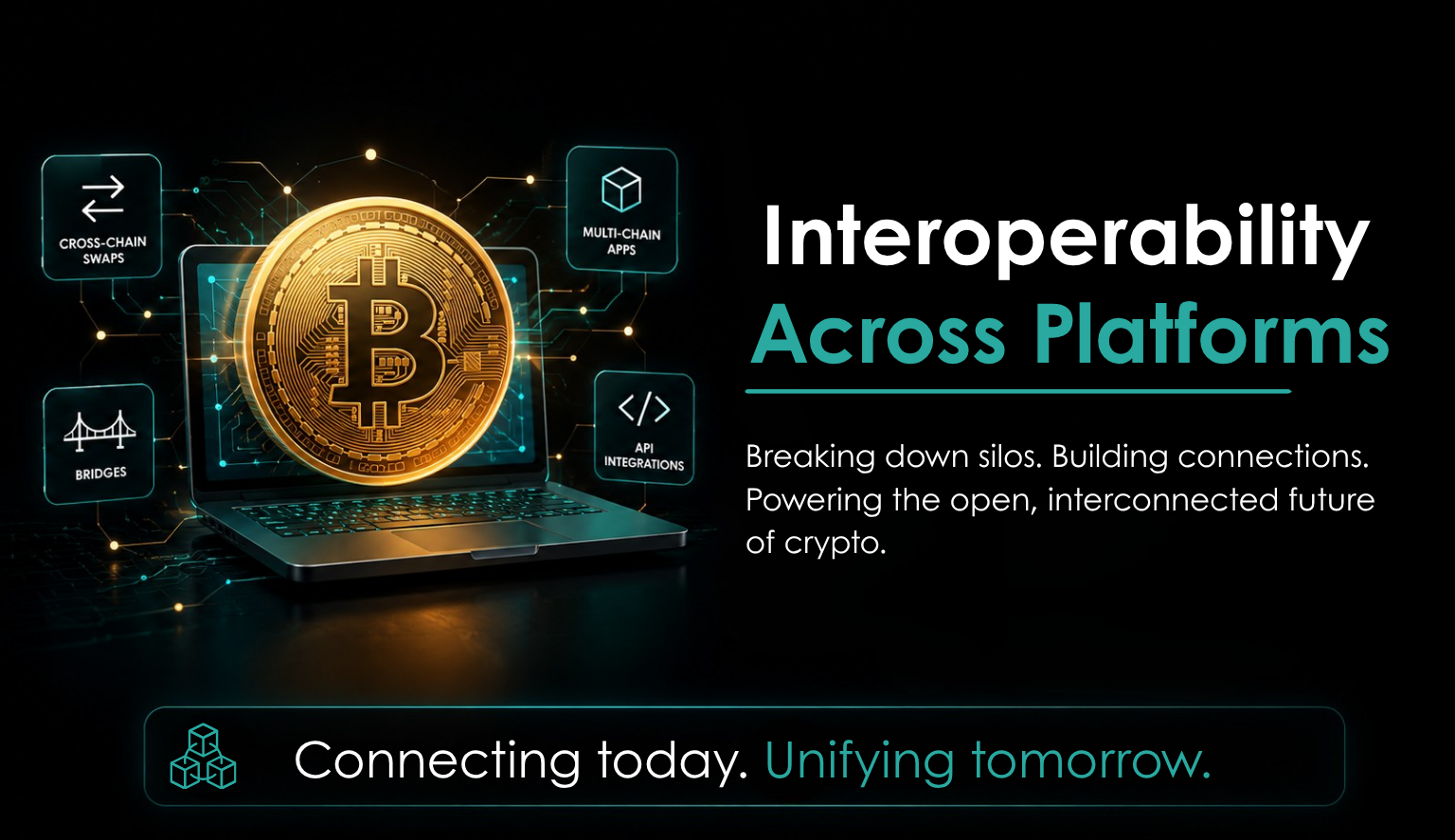
Interoperability Across Platforms
Another defining feature of Web3 assets is their ability to move across ecosystems. In traditional digital environments, assets are siloed. Items purchased or earned in one platform typically cannot be used elsewhere, limiting their utility and value.
Web3 challenges this limitation through open standards. Assets such as NFTs can be integrated into multiple applications, marketplaces, and virtual environments. A digital collectible is no longer confined to a single platform; it becomes part of a broader, interconnected digital identity.
This interoperability mirrors real-world ownership. Just as physical possessions can be used, displayed, or traded in different contexts, Web3 assets offer similar flexibility. As a result, users begin to see their digital holdings not as isolated items, but as components of a larger personal ecosystem.
The Emotional Value of Digital Scarcity
Scarcity has always been a powerful driver of value. In the physical world, rarity contributes to desirability, whether in art, collectibles, or luxury goods. Historically, the internet lacked this property. Digital items could be copied infinitely, making true scarcity impossible.
Web3 changes this dynamic by introducing provable scarcity. Through blockchain technology, assets can be limited in supply and uniquely identifiable. NFTs, in particular, embody this concept by ensuring that each token is distinct and verifiably owned.
This scarcity creates emotional resonance. Owning a rare digital asset taps into the same psychological drivers as owning a limited-edition artwork or a collectible item. It fosters pride, attachment, and a sense of uniqueness. In this way, Web3 doesn’t just replicate physical ownership, it enhances it by combining scarcity with global accessibility and instant transferability.
New Forms of Participation and Revenue
Ownership in Web3 is not purely symbolic; it often comes with tangible benefits. Many digital assets grant holders additional rights, such as governance participation, revenue sharing, or access to exclusive communities and experiences.
This represents a shift from passive consumption to active participation. In traditional digital systems, purchasing an item rarely provided influence or ongoing value. In contrast, Web3 assets can function as both tools and investments, aligning users more closely with the ecosystems they engage in.
As a result, users become stakeholders rather than customers. They are incentivised to contribute, engage, and support the growth of the platforms they are part of. This deeper level of involvement strengthens the emotional connection to owned assets and reinforces the sense of meaningful ownership.
A Shift in Mindset
Perhaps the most profound difference in Web3 ownership lies in perception. Traditional digital goods are inherently fragile. Accounts can be banned, platforms can shut down, and access can be lost without warning. This creates an underlying sense of impermanence.
Web3 assets challenge this notion by being portable, decentralised, and user-controlled. As long as a user retains their private keys, their assets remain accessible regardless of what happens to any single platform. This introduces a new sense of durability and independence.
More importantly, ownership becomes identity-driven. Digital assets are no longer just utilities; they are expressions of personal taste, affiliation, and participation. Whether it’s a piece of digital art, a tokenised asset, or a governance token, each holding contributes to a user’s presence within the broader digital landscape.
Beyond Technology: A Cultural Shift
The rise of Web3 is not just a technological evolution; it represents a cultural transformation. It challenges long-standing assumptions about control, value, and participation in the digital world.
For creators, it opens new avenues for monetisation and direct engagement with audiences. For investors, it introduces novel asset classes with unique characteristics. For everyday users, it offers a sense of agency that was previously absent online.
This shift also redefines trust. Instead of relying on centralised institutions, users rely on transparent systems and shared protocols. This decentralised approach fosters a more open and inclusive digital economy, where value flows more directly between participants.
The Future of Digital Ownership
As Web3 continues to evolve, the concept of ownership will likely expand even further. Tokenised real-world assets, decentralised identities, and cross-platform ecosystems are just the beginning. The boundaries between physical and digital ownership are becoming increasingly blurred.
What remains clear is that the way people relate to digital assets has fundamentally changed. Ownership is no longer abstract or conditional; it is tangible, verifiable, and deeply personal.
For investors, creators, and users alike, this new era offers unprecedented opportunities. It enables greater control, fosters deeper engagement, and creates entirely new forms of value.
The rise of Web3 signals a future where individuals don’t just participate in digital environments, they truly own a part of them. And that difference, both practical and emotional, is what makes Web3 assets feel unlike anything that came before.
Disclaimer: This article is for informational and educational purposes only and should not be considered financial advice. Cryptocurrency investments involve risk, and you should conduct your own research or consult a qualified financial professional before making any investment decisions. AFRIDAX does not guarantee any returns, and past performance is not indicative of future results